Current Time is the Russian-language TV and digital network run by RFE/RL.
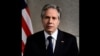
U.S. Secretary of State Antony Blinken says if he were able to address the Russian people about the war in Ukraine, he would ask them how the war is answering any of their needs.
Speaking to Current Time, U.S. Secretary of State Antony Blinken says Russian people have no access to the facts about the invasion of Ukraine, calling the war a distraction from urgent global problems including COVID-19 and economic recovery.
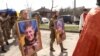
Roman and Leonid Butusin were born in Vladivostok, in Russia's Far East, but both died fighting for the Ukrainian Army against Russian invaders. At their funeral, people knelt on the street in a mark of respect. "They were real Ukrainians," said one mourner.
Memorial, one of Russia's most respected human rights groups, says a court has rejected its appeal of a ruling that would have forced the organization to close for allegedly violating the controversial "foreign agent" law.
Solomia Fedishin is drying her husband's freshly laundered Ukrainian Army uniform. The 19-year-old is trying to cope after his death in a Russian air strike. She needs to be strong, she says, for the son that she will soon give birth to -- and bring up as a widow.
It's called the Sweet Home neighborhood -- but its streets are now burned out, the windows in the buildings are shattered. Current Time reporter Roman Sukhan visited the area during a tour of Irpin, near Kyiv, which has now been liberated from Russian forces.
Prosecutors are seeking correctional labor for four former editors of the Doxa student magazine for allegedly engaging minors in activities that might be "dangerous" because of a video questioning teachers for discouraging students from attending rallies for opposition leader Aleksei Navalny.
South Korean electronics giant LG has deleted applications for Current Time in Russia and Belarus from its smart TVs, saying it was following a directive by the Russian media regulator Roskomnadzor.
A schoolteacher. A TV news editor. A performance artist. National guardsmen. These are some of the Russians who are protesting the war in Ukraine -- or refusing to fight in it.
Russia has been sustaining "incredible" losses since the start of its unprovoked invasion of Ukraine, a senior U.S. State Department official says, putting the figure at more than 10,000 killed since the attack was launched just over a month ago.
In an interview with Current Time on March 29, U.S. Undersecretary of State for Political Affairs Victoria Nuland said Russia's negotiating position with Ukraine in Istanbul has been: "Capitulate and then maybe we'll talk."
Ukrainian civilians who have escaped from the besieged port city of Mariupol have described scenes of "hell" and say those who remain in the ruins are on the brink of starvation. Russian forces have surrounded the city and have been pounding it with artillery and rocket fire.
Russian media regulator Roskomnadzor has demanded the creators of a popular cartoon show remove the last episode posted on the Internet because it deals with Russia's ongoing invasion of Ukraine.
Russia’s State Duma has registered a bill for debate that would recognize ethnic Russians and representatives of other ethnic groups of the Russian Federation as "compatriots" only if they speak Russian.
"We have to save our child's life," says Ihor, clutching his small child as they wait for a bus that will take them from Lviv, in western Ukraine, to Poland for vital cancer treatment. This was the seventh convoy with child cancer patients to leave Ukraine since Russia invaded on February 24.
A Belarusian Greek Catholic priest has been fined for having a bumper sticker on his car saying: "Ukraine, Forgive Us."
U.S. Ambassador to NATO Julianne Smith, in an interview on March 28 with Current Time's Ksenia Sokolyanskaya, said that the United States doesn't have a policy of regime change in Russia.
A volunteer who calls himself "Havrush" is in a trench, guarding Kyiv from Russian attack. His position is about a kilometer from a village held by Russian forces. Current Time correspondent Borys Sachalko talks with him and other volunteers defending Kyiv.
A court in Moscow has sentenced an activist to two years in prison for throwing a Molotov cocktail at a rally protesting war in Ukraine even though it failed to ignite.
The Russian girlfriend of a Belarusian opposition journalist who were both arrested when their plane was forced to land in Minsk last year triggering global outrage has gone on trial.
Load more