


Accessibility links

Breaking News
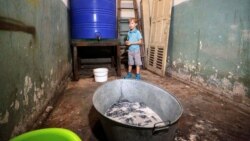
Ten-year-old Sasha stands in a bomb shelter in Donetsk in eastern Ukraine.

Live Blog: Ukraine In Crisis (Archive)

Follow all of the latest developments as they happen.

Final News Summary For September 29

-- We have started a new Ukraine Live Blog. Find it here.

-- Ukraine is marking 75 years since the World War II massacre of 33,771 Jews on the outskirts of Nazi-occupied Kyiv.

-- German Chancellor Angela Merkel has urged Russian President Vladimir Putin to stabilize a fragile cease-fire in Ukraine and do all he could to improve what Merkel called a "catastrophic humanitarian situation" in Syria.

-- Russia's Supreme Court has upheld a decision by a Moscow-backed Crimean court to ban the Mejlis, the self-governing body of Crimean Tatars in the occupied Ukrainian territory.

* NOTE: Times are stated according to local time in Kyiv (GMT/UTC +3)

14:18 28.11.2015

14:20 28.11.2015

14:22 28.11.2015

14:24 28.11.2015

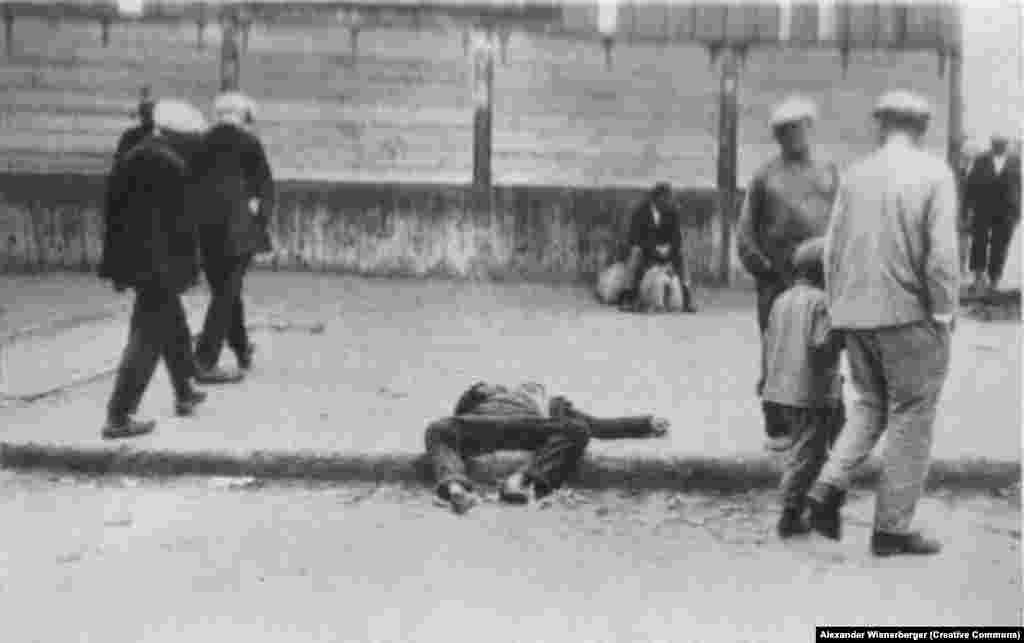
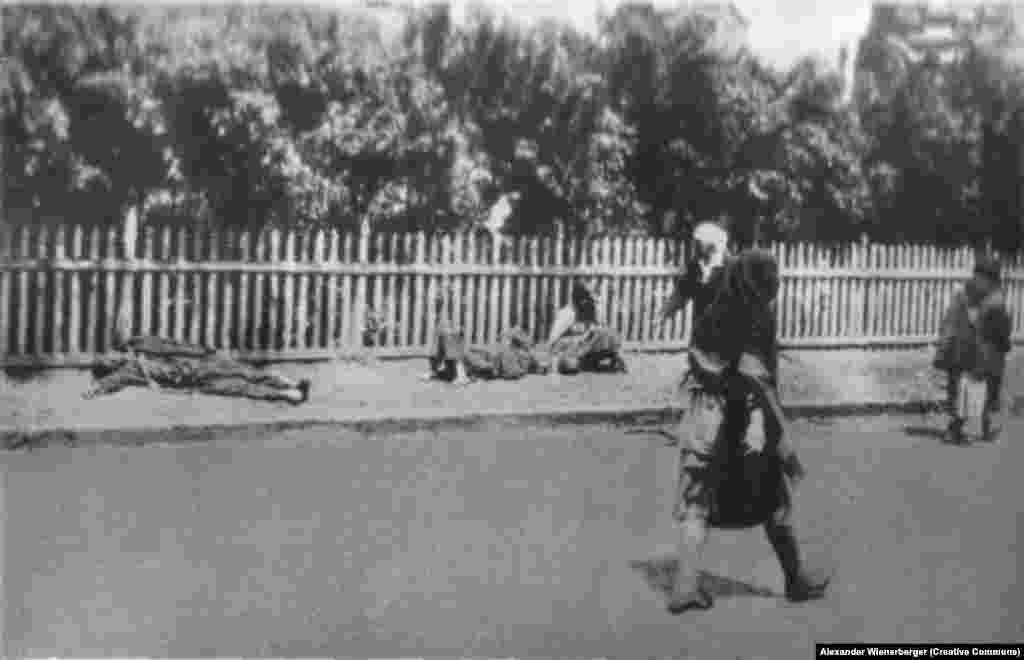
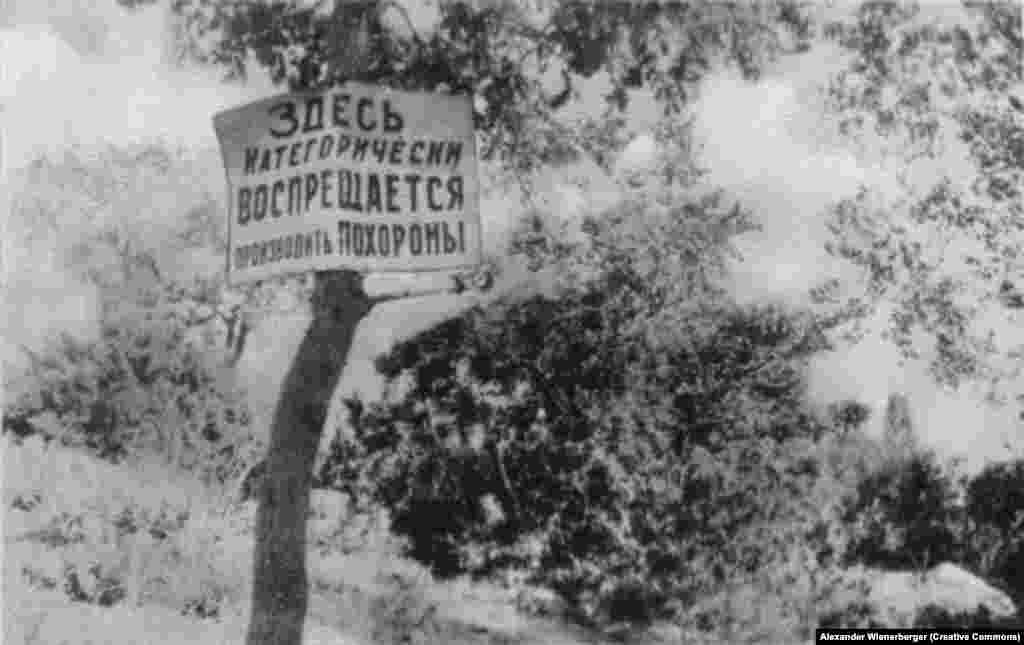
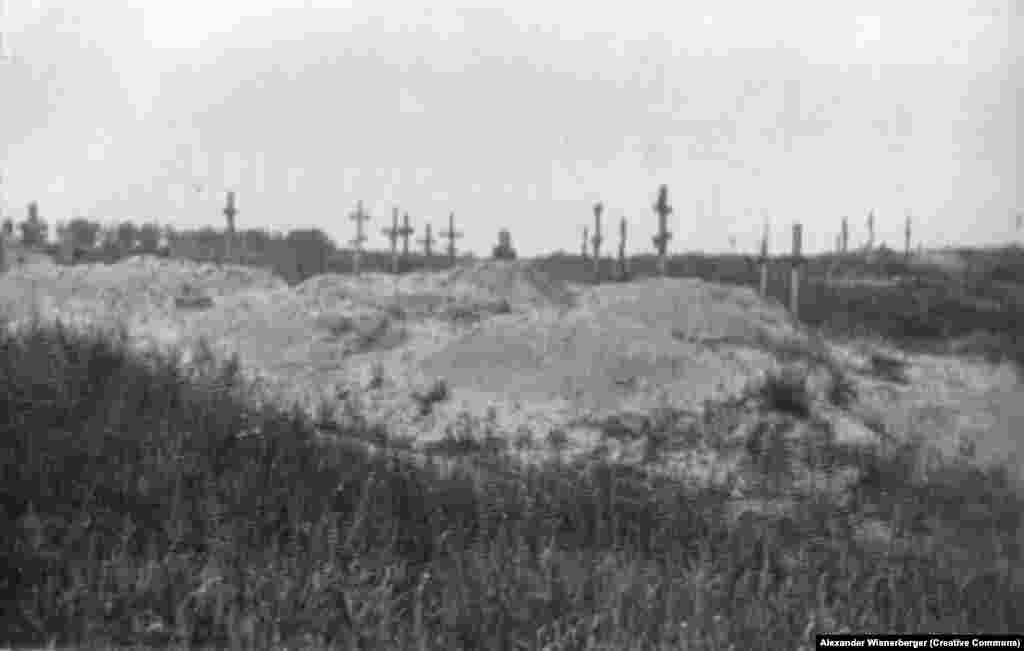
Alexander Wienerberger was recruited into the army of the Austro-Hungarian Empire during World War I. In 1915, he was taken prisoner in Russia and ended up staying in the U.S.S.R. until 1934. Later, he worked as a chemical engineer specializing in explosives, and he established chemical factories in the Soviet Union. In 1933, he was assigned as technical director of a synthetic factory in Kharkiv and became witness to the man-made famine orchestrated by the Soviet government, the Holodomor. His photographs -- made with a Leica camera -- are some of about 100 images verified to be authentic portrayals of those harrowing events. The captions are based on the photographer's own notes.

Ukraine's Holodomor Through An Austrian's Eyes

The jaded population has lost all interest in the gruesome sight of the famished and the dying.
1/15 The jaded population has lost all interest in the gruesome sight of the famished and the dying.
Alexander Wienerberger was recruited into the army of the Austro-Hungarian Empire during World War I. In 1915, he was taken prisoner in Russia and ended up staying in the U.S.S.R. until 1934. Later, he worked as a chemical engineer specializing in explosives, and he established chemical factories in the Soviet Union. In 1933, he was assigned as technical director of a synthetic factory in Kharkiv and became witness to the man-made famine orchestrated by the Soviet government, the Holodomor. His photographs -- made with a Leica camera -- are some of about 100 images verified to be authentic portrayals of those harrowing events. The captions are based on the photographer's own notes.
Everyday conversation in sight of a corpse
2/15 Everyday conversation in sight of a corpse
Alexander Wienerberger was recruited into the army of the Austro-Hungarian Empire during World War I. In 1915, he was taken prisoner in Russia and ended up staying in the U.S.S.R. until 1934. Later, he worked as a chemical engineer specializing in explosives, and he established chemical factories in the Soviet Union. In 1933, he was assigned as technical director of a synthetic factory in Kharkiv and became witness to the man-made famine orchestrated by the Soviet government, the Holodomor. His photographs -- made with a Leica camera -- are some of about 100 images verified to be authentic portrayals of those harrowing events. The captions are based on the photographer's own notes.
Queues in front of a milk distribution center
3/15 Queues in front of a milk distribution center
Alexander Wienerberger was recruited into the army of the Austro-Hungarian Empire during World War I. In 1915, he was taken prisoner in Russia and ended up staying in the U.S.S.R. until 1934. Later, he worked as a chemical engineer specializing in explosives, and he established chemical factories in the Soviet Union. In 1933, he was assigned as technical director of a synthetic factory in Kharkiv and became witness to the man-made famine orchestrated by the Soviet government, the Holodomor. His photographs -- made with a Leica camera -- are some of about 100 images verified to be authentic portrayals of those harrowing events. The captions are based on the photographer's own notes.
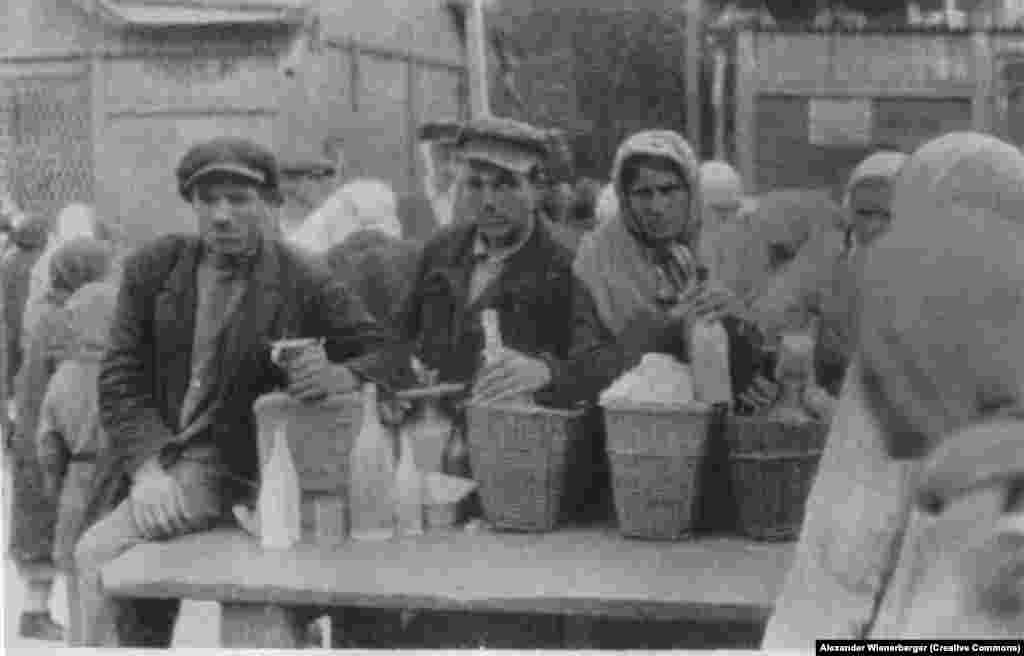
At the food market in Kharkiv -- each bottle of milk, desperately clasped, represents a valuable possession in free trade
4/15 At the food market in Kharkiv -- each bottle of milk, desperately clasped, represents a valuable possession in free trade
Alexander Wienerberger was recruited into the army of the Austro-Hungarian Empire during World War I. In 1915, he was taken prisoner in Russia and ended up staying in the U.S.S.R. until 1934. Later, he worked as a chemical engineer specializing in explosives, and he established chemical factories in the Soviet Union. In 1933, he was assigned as technical director of a synthetic factory in Kharkiv and became witness to the man-made famine orchestrated by the Soviet government, the Holodomor. His photographs -- made with a Leica camera -- are some of about 100 images verified to be authentic portrayals of those harrowing events. The captions are based on the photographer's own notes.
The corpses of the starved in the streets of Kharkiv arouse sympathy at first.
5/15 The corpses of the starved in the streets of Kharkiv arouse sympathy at first.
Alexander Wienerberger was recruited into the army of the Austro-Hungarian Empire during World War I. In 1915, he was taken prisoner in Russia and ended up staying in the U.S.S.R. until 1934. Later, he worked as a chemical engineer specializing in explosives, and he established chemical factories in the Soviet Union. In 1933, he was assigned as technical director of a synthetic factory in Kharkiv and became witness to the man-made famine orchestrated by the Soviet government, the Holodomor. His photographs -- made with a Leica camera -- are some of about 100 images verified to be authentic portrayals of those harrowing events. The captions are based on the photographer's own notes.
Hungry and neglected children -- the so-called "Besprisornyje" ("the waifs")
6/15 Hungry and neglected children -- the so-called "Besprisornyje" ("the waifs")
Alexander Wienerberger was recruited into the army of the Austro-Hungarian Empire during World War I. In 1915, he was taken prisoner in Russia and ended up staying in the U.S.S.R. until 1934. Later, he worked as a chemical engineer specializing in explosives, and he established chemical factories in the Soviet Union. In 1933, he was assigned as technical director of a synthetic factory in Kharkiv and became witness to the man-made famine orchestrated by the Soviet government, the Holodomor. His photographs -- made with a Leica camera -- are some of about 100 images verified to be authentic portrayals of those harrowing events. The captions are based on the photographer's own notes.
Hunger forces farmers to migrate
7/15 Hunger forces farmers to migrate
Alexander Wienerberger was recruited into the army of the Austro-Hungarian Empire during World War I. In 1915, he was taken prisoner in Russia and ended up staying in the U.S.S.R. until 1934. Later, he worked as a chemical engineer specializing in explosives, and he established chemical factories in the Soviet Union. In 1933, he was assigned as technical director of a synthetic factory in Kharkiv and became witness to the man-made famine orchestrated by the Soviet government, the Holodomor. His photographs -- made with a Leica camera -- are some of about 100 images verified to be authentic portrayals of those harrowing events. The captions are based on the photographer's own notes.
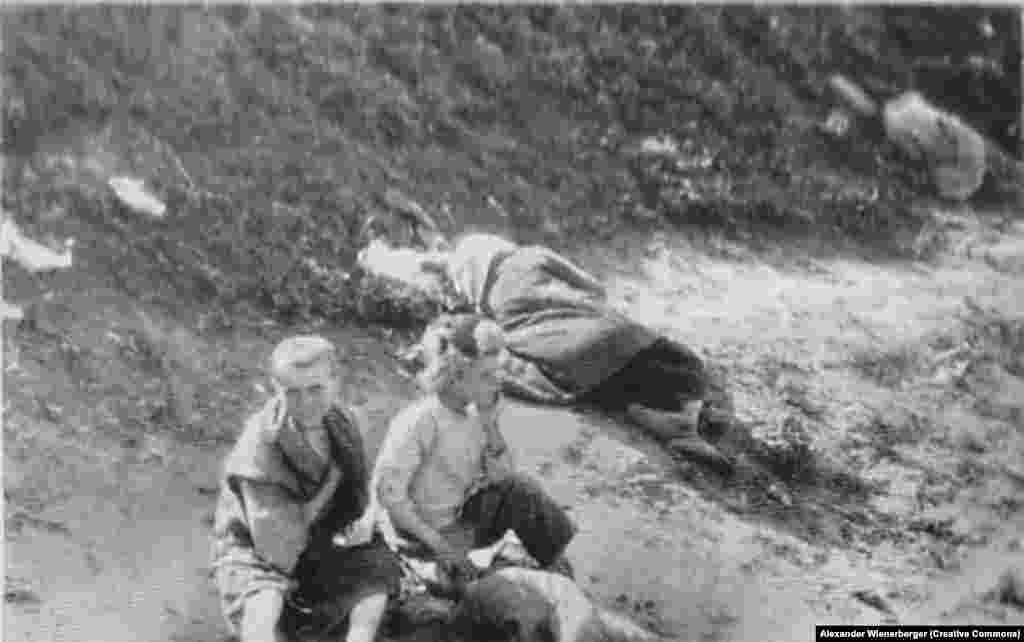
Besprisornyje sitting on a stone-heap, delousing themselves
8/15 Besprisornyje sitting on a stone-heap, delousing themselves
Alexander Wienerberger was recruited into the army of the Austro-Hungarian Empire during World War I. In 1915, he was taken prisoner in Russia and ended up staying in the U.S.S.R. until 1934. Later, he worked as a chemical engineer specializing in explosives, and he established chemical factories in the Soviet Union. In 1933, he was assigned as technical director of a synthetic factory in Kharkiv and became witness to the man-made famine orchestrated by the Soviet government, the Holodomor. His photographs -- made with a Leica camera -- are some of about 100 images verified to be authentic portrayals of those harrowing events. The captions are based on the photographer's own notes.
A starving child whom nobody cares about
9/15 A starving child whom nobody cares about
Alexander Wienerberger was recruited into the army of the Austro-Hungarian Empire during World War I. In 1915, he was taken prisoner in Russia and ended up staying in the U.S.S.R. until 1934. Later, he worked as a chemical engineer specializing in explosives, and he established chemical factories in the Soviet Union. In 1933, he was assigned as technical director of a synthetic factory in Kharkiv and became witness to the man-made famine orchestrated by the Soviet government, the Holodomor. His photographs -- made with a Leica camera -- are some of about 100 images verified to be authentic portrayals of those harrowing events. The captions are based on the photographer's own notes.
The empty "Chartorg" (Charower Trade Cooperative) food distribution site is besieged by a devastated population in Kharkiv..
10/15 The empty "Chartorg" (Charower Trade Cooperative) food distribution site is besieged by a devastated population in Kharkiv..
Alexander Wienerberger was recruited into the army of the Austro-Hungarian Empire during World War I. In 1915, he was taken prisoner in Russia and ended up staying in the U.S.S.R. until 1934. Later, he worked as a chemical engineer specializing in explosives, and he established chemical factories in the Soviet Union. In 1933, he was assigned as technical director of a synthetic factory in Kharkiv and became witness to the man-made famine orchestrated by the Soviet government, the Holodomor. His photographs -- made with a Leica camera -- are some of about 100 images verified to be authentic portrayals of those harrowing events. The captions are based on the photographer's own notes.
The sympathy recedes!
11/15 The sympathy recedes!
Alexander Wienerberger was recruited into the army of the Austro-Hungarian Empire during World War I. In 1915, he was taken prisoner in Russia and ended up staying in the U.S.S.R. until 1934. Later, he worked as a chemical engineer specializing in explosives, and he established chemical factories in the Soviet Union. In 1933, he was assigned as technical director of a synthetic factory in Kharkiv and became witness to the man-made famine orchestrated by the Soviet government, the Holodomor. His photographs -- made with a Leica camera -- are some of about 100 images verified to be authentic portrayals of those harrowing events. The captions are based on the photographer's own notes.
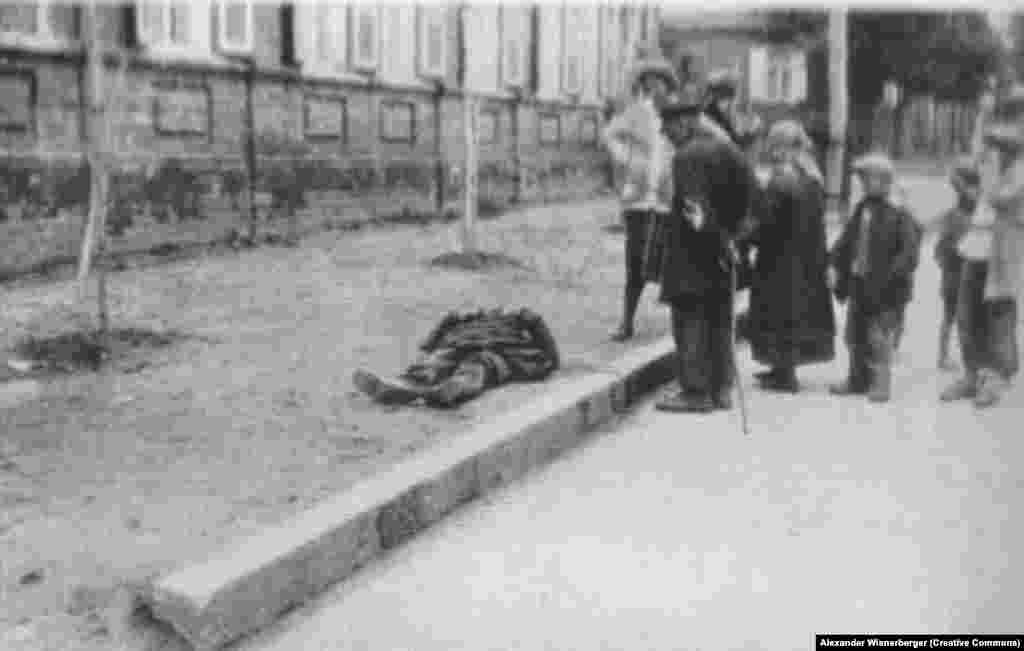
The corpses of the starving lie on the roadside. Passersby no longer pay them any attention.
12/15 The corpses of the starving lie on the roadside. Passersby no longer pay them any attention.
Alexander Wienerberger was recruited into the army of the Austro-Hungarian Empire during World War I. In 1915, he was taken prisoner in Russia and ended up staying in the U.S.S.R. until 1934. Later, he worked as a chemical engineer specializing in explosives, and he established chemical factories in the Soviet Union. In 1933, he was assigned as technical director of a synthetic factory in Kharkiv and became witness to the man-made famine orchestrated by the Soviet government, the Holodomor. His photographs -- made with a Leica camera -- are some of about 100 images verified to be authentic portrayals of those harrowing events. The captions are based on the photographer's own notes.
This corpse still excites attention
13/15 This corpse still excites attention
Alexander Wienerberger was recruited into the army of the Austro-Hungarian Empire during World War I. In 1915, he was taken prisoner in Russia and ended up staying in the U.S.S.R. until 1934. Later, he worked as a chemical engineer specializing in explosives, and he established chemical factories in the Soviet Union. In 1933, he was assigned as technical director of a synthetic factory in Kharkiv and became witness to the man-made famine orchestrated by the Soviet government, the Holodomor. His photographs -- made with a Leica camera -- are some of about 100 images verified to be authentic portrayals of those harrowing events. The captions are based on the photographer's own notes.
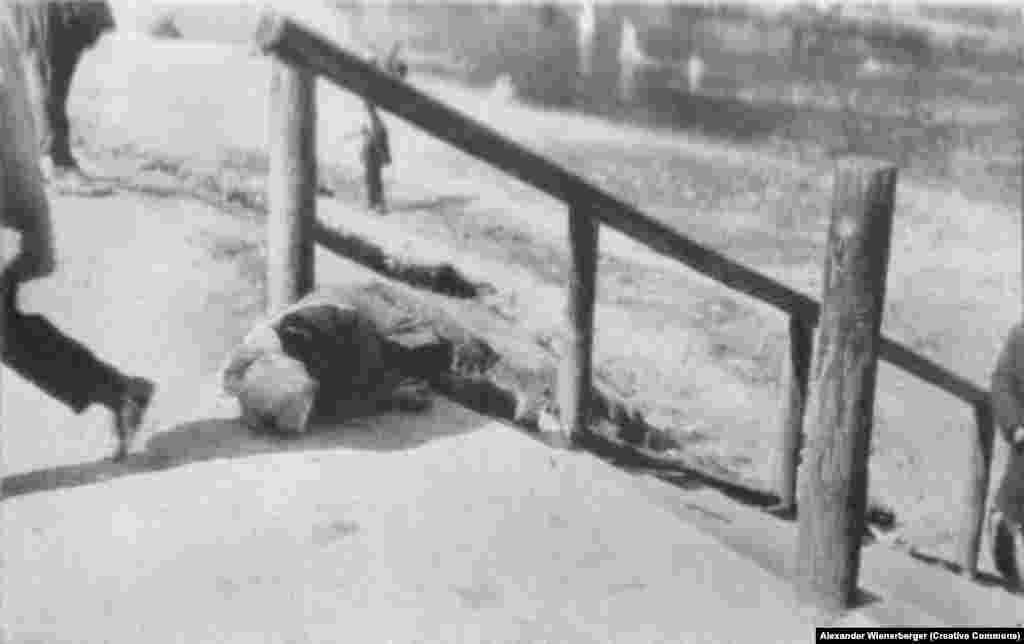
In the blooming countryside, a sign reads: "The burial of corpses is strictly forbidden here!" 
14/15 In the blooming countryside, a sign reads: "The burial of corpses is strictly forbidden here!" 
Alexander Wienerberger was recruited into the army of the Austro-Hungarian Empire during World War I. In 1915, he was taken prisoner in Russia and ended up staying in the U.S.S.R. until 1934. Later, he worked as a chemical engineer specializing in explosives, and he established chemical factories in the Soviet Union. In 1933, he was assigned as technical director of a synthetic factory in Kharkiv and became witness to the man-made famine orchestrated by the Soviet government, the Holodomor. His photographs -- made with a Leica camera -- are some of about 100 images verified to be authentic portrayals of those harrowing events. The captions are based on the photographer's own notes.
The corpses of those who died of starvation are buried in mass graves.
15/15 The corpses of those who died of starvation are buried in mass graves.
Alexander Wienerberger was recruited into the army of the Austro-Hungarian Empire during World War I. In 1915, he was taken prisoner in Russia and ended up staying in the U.S.S.R. until 1934. Later, he worked as a chemical engineer specializing in explosives, and he established chemical factories in the Soviet Union. In 1933, he was assigned as technical director of a synthetic factory in Kharkiv and became witness to the man-made famine orchestrated by the Soviet government, the Holodomor. His photographs -- made with a Leica camera -- are some of about 100 images verified to be authentic portrayals of those harrowing events. The captions are based on the photographer's own notes.
Previous slide
Next slide

15:22 28.11.2015

16:12 28.11.2015

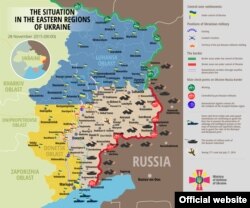
Here is today's map of the security situation in eastern Ukraine, according to the National Security and Defense Council:
20:16 28.11.2015

22:16 28.11.2015

This ends our live blogging for November 28. Be sure to check back tomorrow for our continuing coverage.

09:30 29.11.2015

Good morning. We'll start the live blog today with this item that our news desk posted overnight:

Voters in Ukraine’s eastern city of Mariupol and the nearby town of Krasnoarmiisk are heading to the polling stations on November 29.

The two localities, which are on government-held territory in the turbulent Donetsk region, were supposed to participate in local elections last month.

But hundreds of polling stations there did not open for the vote because of an unspecified "mistake in the ballots," the Interior Ministry said at the time.

Much of the surrounding Donetsk region and the neighboring Luhansk region are controlled by Russian-backed separatists. The two self-declared republics have agreed that they would postpone their own elections until sometime next year.

Fighting between Ukrainian government forces and rebels in eastern Ukraine has killed more than 7,900 people since April 2014.

11:26 29.11.2015

Here's another update from our news desk:

Ankara plans to turn over to Moscow the body of the pilot killed when Turkey shot down a Russian jet last week.

Turkish Prime Minister Ahmet Davutoglu said the pilot's body was brought to the border province of Hatay "through Turkey's initiatives" early on November 29 and will be flown back to Russia. He said the local Orthodox church in Hatay performed religious rites for the pilot.

Turkey shot down the plane on November 24 after it briefly entered its airspace from Syria, ignoring several warnings.

The two pilots parachuted out of the plane but were shot at by Syrian rebels on the ground. One of the pilots, Oleg Peshkov, died.

Turkey's action drew strong reaction from Moscow.

Russian President Vladimir Putin signed a decree imposing a series of sanctions against Turkey on November 28.

Turkish President Recep Tayyip Erdogan, who has refused Russian calls to apologize over the deadly incident, said on the same day that the episode had saddened him.

(Reuters, AFP, AP)

Load more

XS
SM
MD
LG