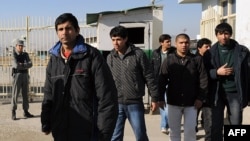
A group of Afghans leaves the airport following their deportation from France to Kabul. (file photo)
France and Switzerland have joined other European countries in announcing a suspension of deportations to Afghanistan due to the deteriorating security situation in the country as the Taliban presses its offensive across Afghanistan.
The French Interior Ministry told news agencies on August 12 that the policy has been in place since early July.
"We are watching the situation closely alongside our European partners," AFP quoted the ministry as saying.
Afghans last year accounted for the most asylum requests in France, with nearly 8,900 applications.
Switzerland also announced late on August 11 that the expulsion of rejected asylum seekers was suspended “until further notice due to the changed situation in the country.”
Fleeing Fighting, Afghans Flood Into Kabul And Gather At Pakistan Border
Tens of thousands of people have been flooding into the Afghan capital, Kabul, and gathering at the Pakistan border to escape the escalating fighting between Taliban militants and government forces. As more provincial capitals fell to the Taliban, Afghanistan's Refugees and Repatriations Ministry said that more than 35,000 families had arrived in the capital over the last week and that officials are struggling to provide them food and shelter.
Show moreShow less
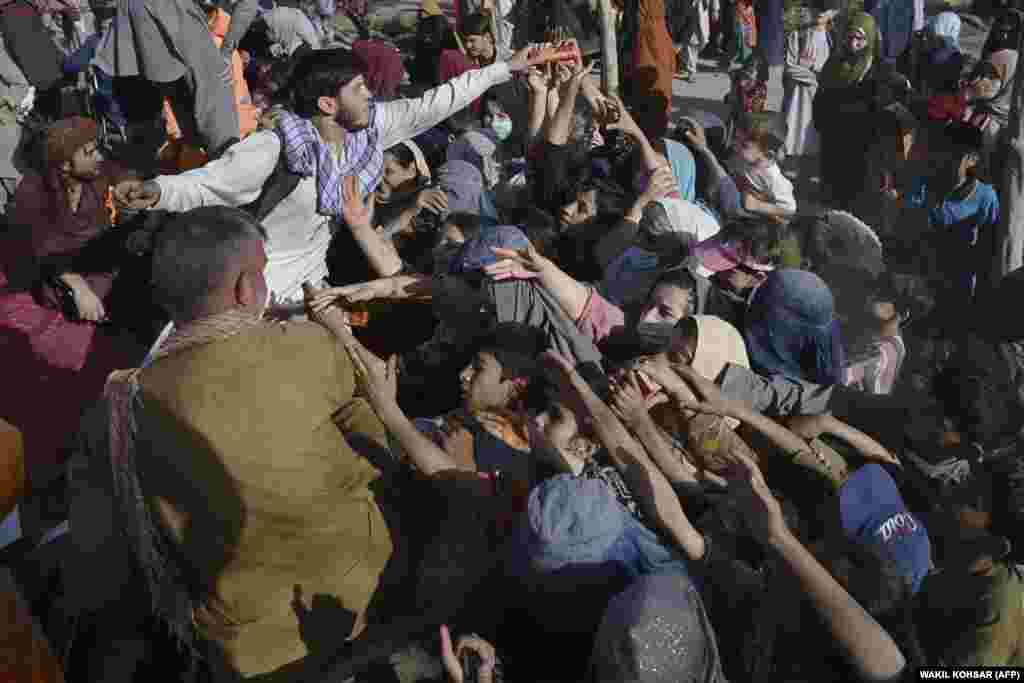
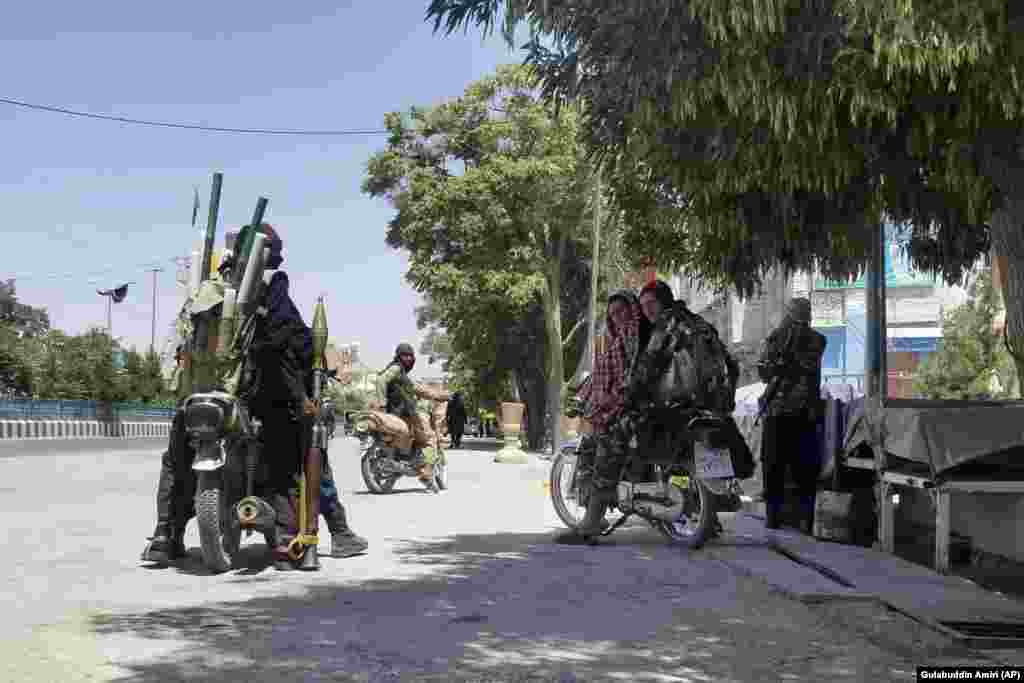
2/18Thousands of internally displaced people (IDPs) flooded into Kabul's northern Khair Khana district on August 11. Many traveled from Badakhshan, Baghlan, Kunduz, Takhar, and other Afghan provinces that have been overrun by Taliban militants.
Tens of thousands of people have been flooding into the Afghan capital, Kabul, and gathering at the Pakistan border to escape the escalating fighting between Taliban militants and government forces. As more provincial capitals fell to the Taliban, Afghanistan's Refugees and Repatriations Ministry said that more than 35,000 families had arrived in the capital over the last week and that officials are struggling to provide them food and shelter.
Show moreShow less
3/18Children who have fled recent fighting find safety in the Afghan capital, Kabul.
Tens of thousands of people have been flooding into the Afghan capital, Kabul, and gathering at the Pakistan border to escape the escalating fighting between Taliban militants and government forces. As more provincial capitals fell to the Taliban, Afghanistan's Refugees and Repatriations Ministry said that more than 35,000 families had arrived in the capital over the last week and that officials are struggling to provide them food and shelter.
Show moreShow less
4/18Internally displaced Afghan families rest in a field in Kabul after fleeing Kunduz and Takhar provinces, where fighting raged between Taliban militants and Afghan security forces.
Tens of thousands of people have been flooding into the Afghan capital, Kabul, and gathering at the Pakistan border to escape the escalating fighting between Taliban militants and government forces. As more provincial capitals fell to the Taliban, Afghanistan's Refugees and Repatriations Ministry said that more than 35,000 families had arrived in the capital over the last week and that officials are struggling to provide them food and shelter.
Show moreShow less
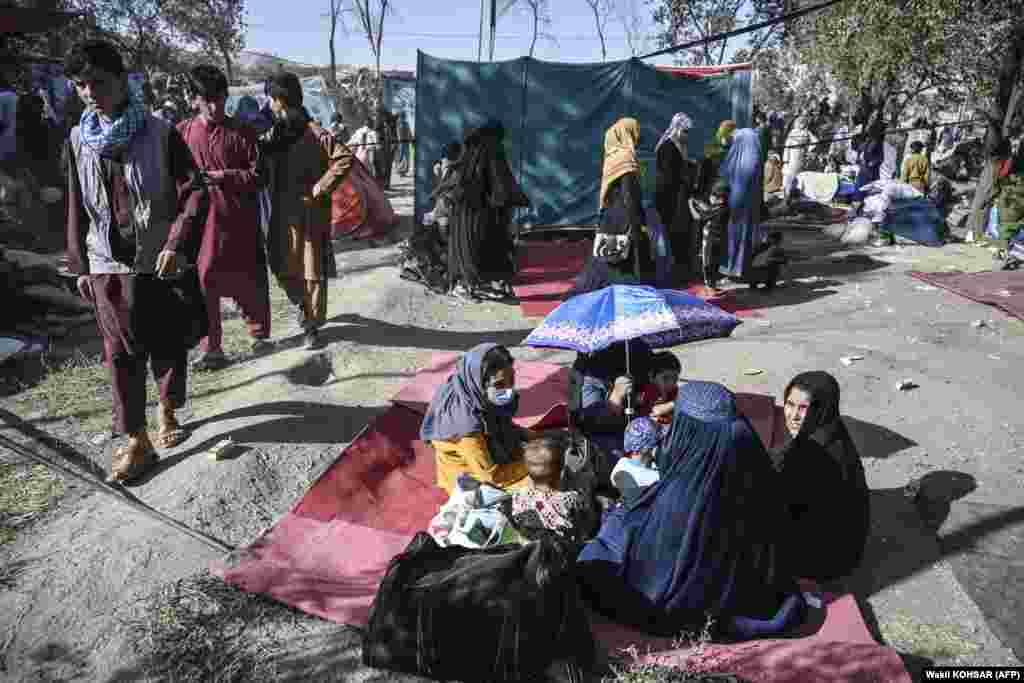
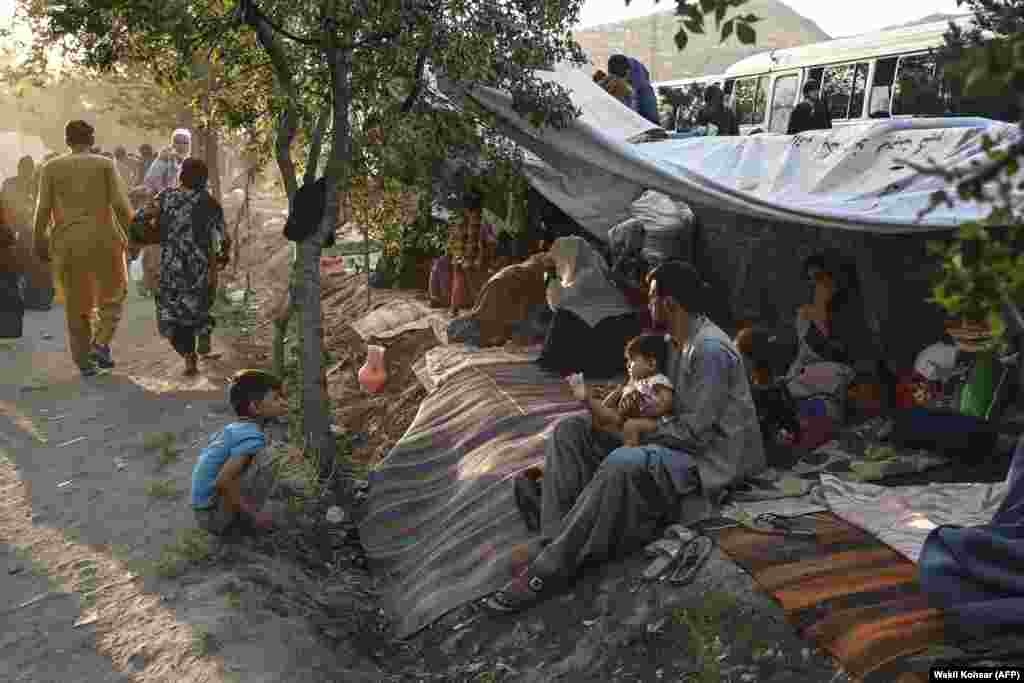
5/18Some Afghan families have been living in tents at a makeshift camp in the Sara-e Shamali district of Kabul.
Tens of thousands of people have been flooding into the Afghan capital, Kabul, and gathering at the Pakistan border to escape the escalating fighting between Taliban militants and government forces. As more provincial capitals fell to the Taliban, Afghanistan's Refugees and Repatriations Ministry said that more than 35,000 families had arrived in the capital over the last week and that officials are struggling to provide them food and shelter.
Show moreShow less
6/18Internally displaced Afghans sit under their shelters at the Sara-e Shamali camp in Kabul.
Tens of thousands of people have been flooding into the Afghan capital, Kabul, and gathering at the Pakistan border to escape the escalating fighting between Taliban militants and government forces. As more provincial capitals fell to the Taliban, Afghanistan's Refugees and Repatriations Ministry said that more than 35,000 families had arrived in the capital over the last week and that officials are struggling to provide them food and shelter.
Show moreShow less
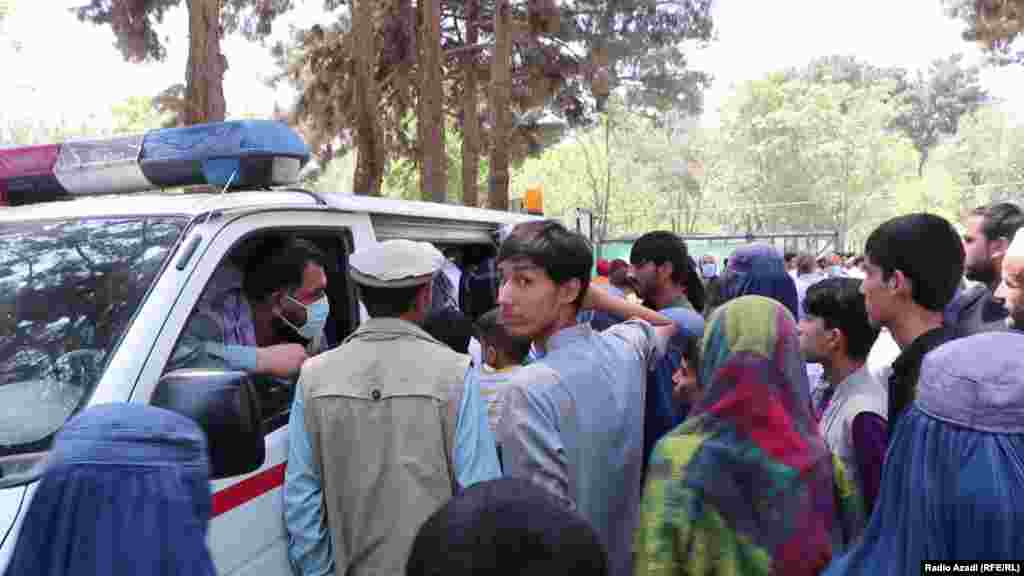
7/18People seeking medical care gather around an ambulance in Kabul's northern Khair Khana district on August 11.
Tens of thousands of people have been flooding into the Afghan capital, Kabul, and gathering at the Pakistan border to escape the escalating fighting between Taliban militants and government forces. As more provincial capitals fell to the Taliban, Afghanistan's Refugees and Repatriations Ministry said that more than 35,000 families had arrived in the capital over the last week and that officials are struggling to provide them food and shelter.
Show moreShow less
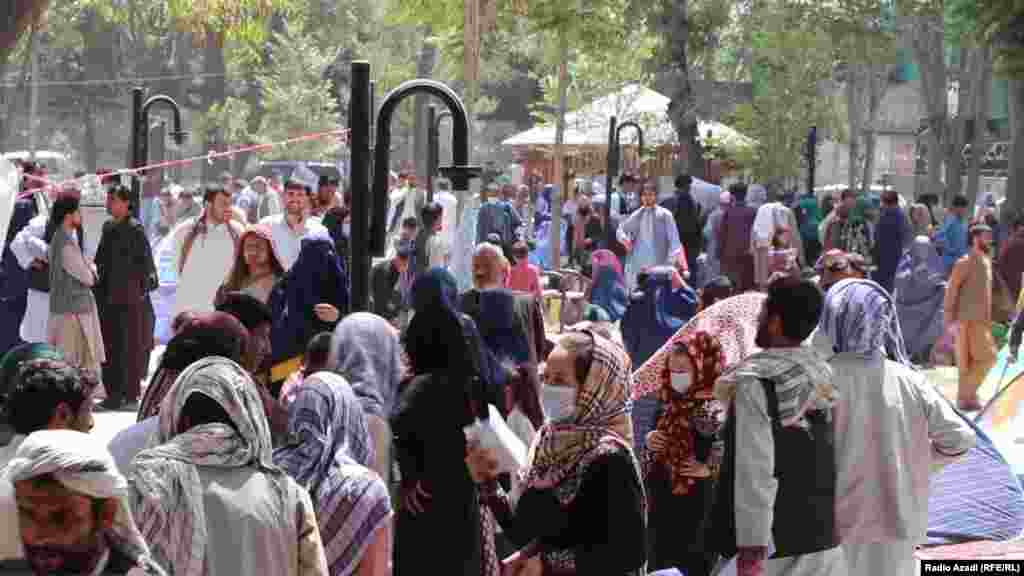
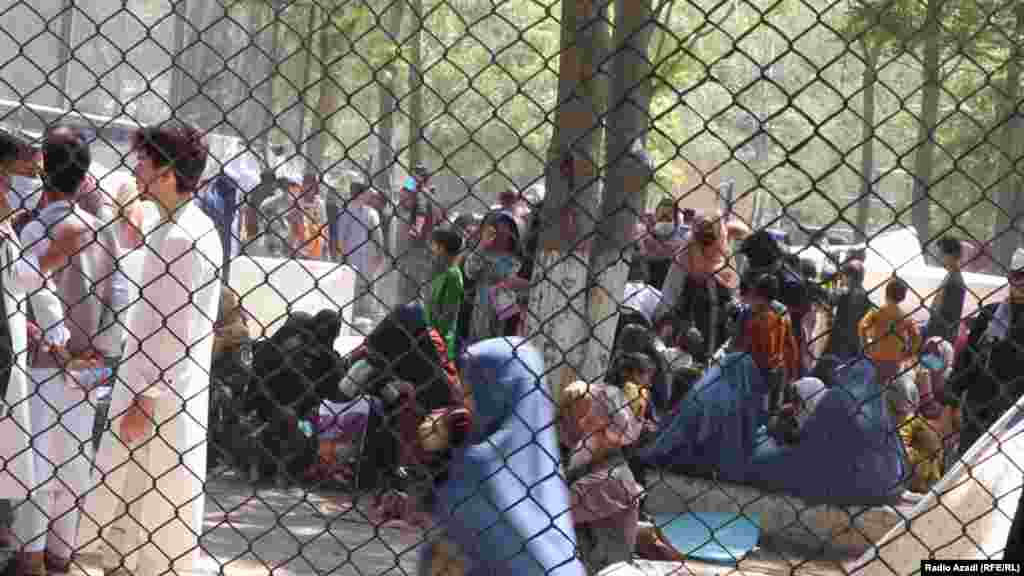
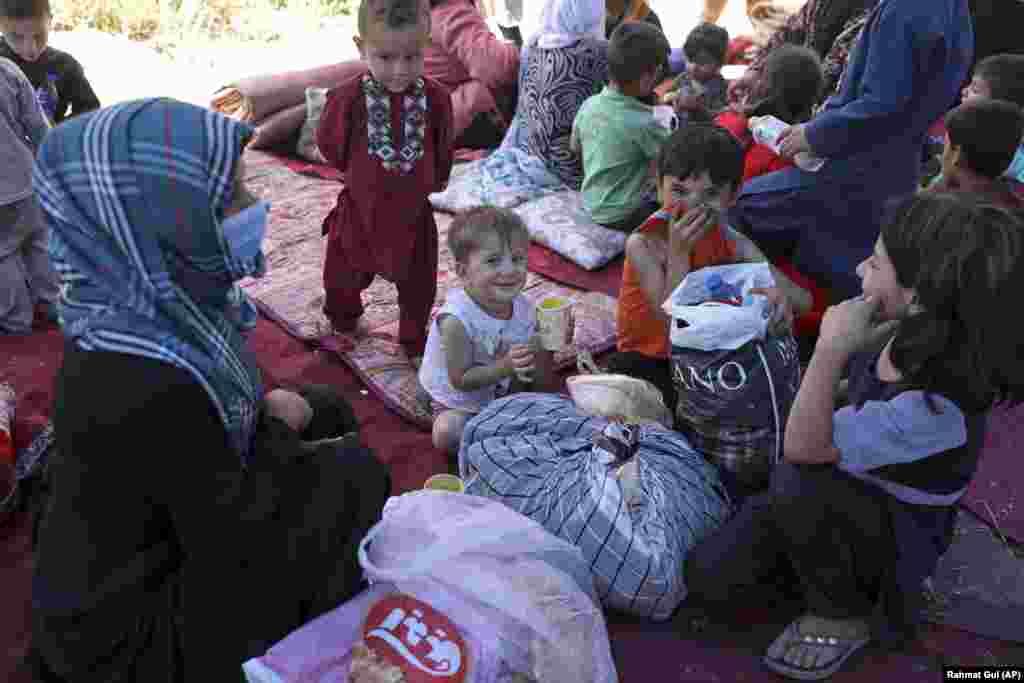
8/18Displaced Afghans have been living in this Kabul park.
Tens of thousands of people have been flooding into the Afghan capital, Kabul, and gathering at the Pakistan border to escape the escalating fighting between Taliban militants and government forces. As more provincial capitals fell to the Taliban, Afghanistan's Refugees and Repatriations Ministry said that more than 35,000 families had arrived in the capital over the last week and that officials are struggling to provide them food and shelter.
Show moreShow less
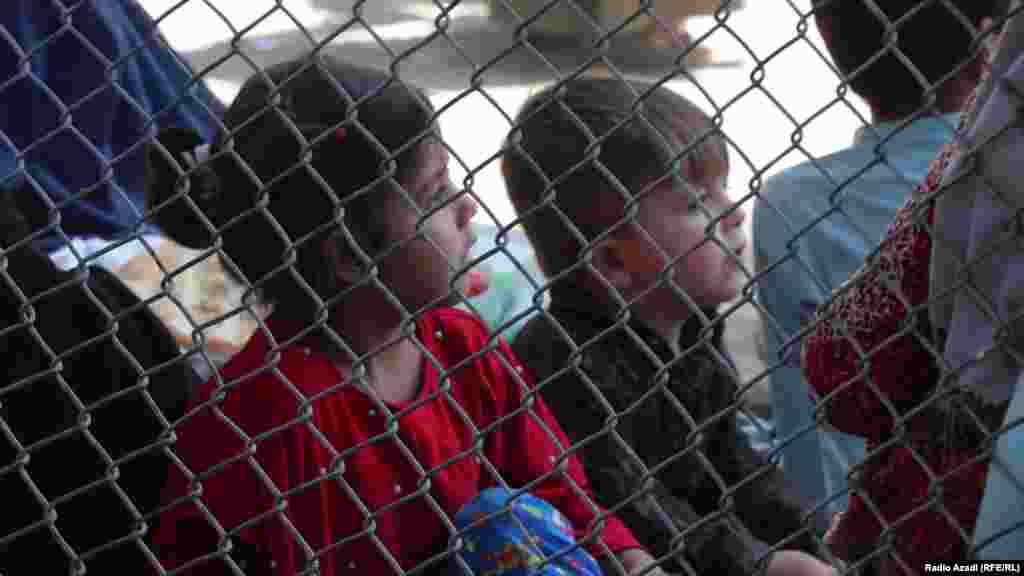
9/18Displaced children from Afghanistan's northern provinces take refuge in a public park in Kabul.
Tens of thousands of people have been flooding into the Afghan capital, Kabul, and gathering at the Pakistan border to escape the escalating fighting between Taliban militants and government forces. As more provincial capitals fell to the Taliban, Afghanistan's Refugees and Repatriations Ministry said that more than 35,000 families had arrived in the capital over the last week and that officials are struggling to provide them food and shelter.
Show moreShow less
10/18An Afghan child receives medical treatment in a Kabul park.
Tens of thousands of people have been flooding into the Afghan capital, Kabul, and gathering at the Pakistan border to escape the escalating fighting between Taliban militants and government forces. As more provincial capitals fell to the Taliban, Afghanistan's Refugees and Repatriations Ministry said that more than 35,000 families had arrived in the capital over the last week and that officials are struggling to provide them food and shelter.
Show moreShow less
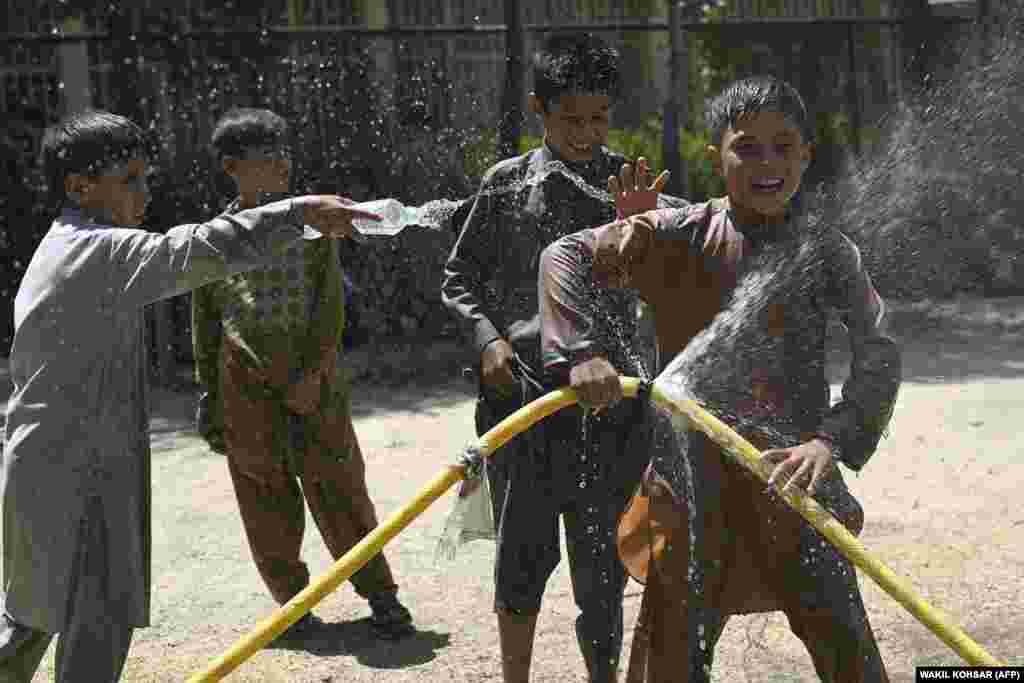
11/18Afghan children cool off while playing with a hose at the Shahr-e Naw park in Kabul.
Tens of thousands of people have been flooding into the Afghan capital, Kabul, and gathering at the Pakistan border to escape the escalating fighting between Taliban militants and government forces. As more provincial capitals fell to the Taliban, Afghanistan's Refugees and Repatriations Ministry said that more than 35,000 families had arrived in the capital over the last week and that officials are struggling to provide them food and shelter.
Show moreShow less
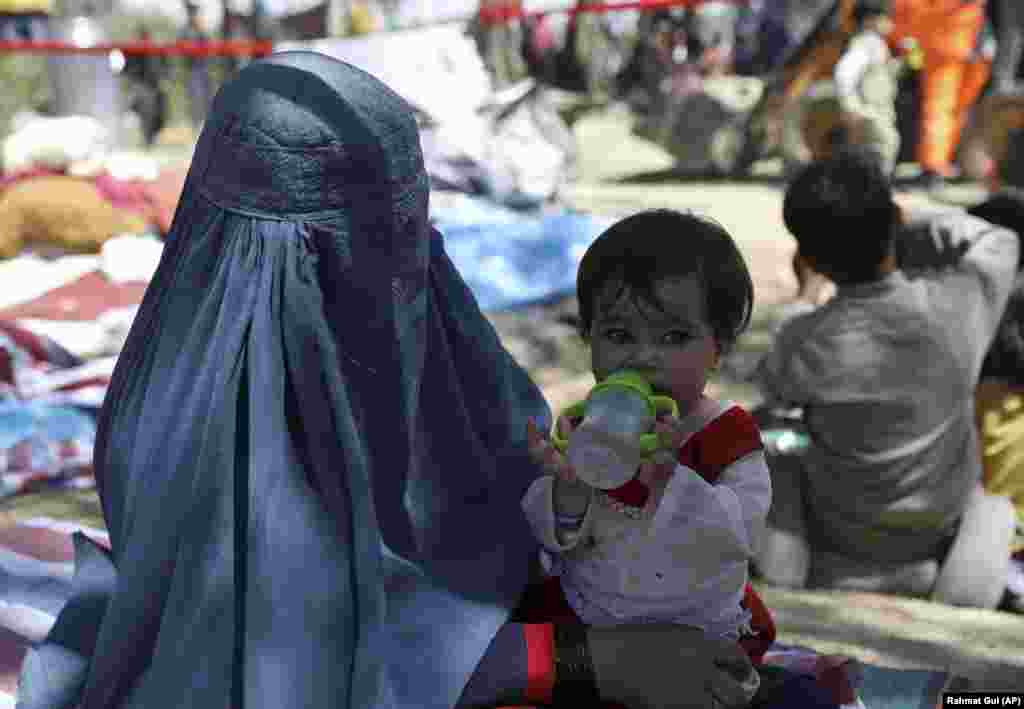
12/18An Afghan woman and child in a Kabul public park.
Tens of thousands of people have been flooding into the Afghan capital, Kabul, and gathering at the Pakistan border to escape the escalating fighting between Taliban militants and government forces. As more provincial capitals fell to the Taliban, Afghanistan's Refugees and Repatriations Ministry said that more than 35,000 families had arrived in the capital over the last week and that officials are struggling to provide them food and shelter.
Show moreShow less
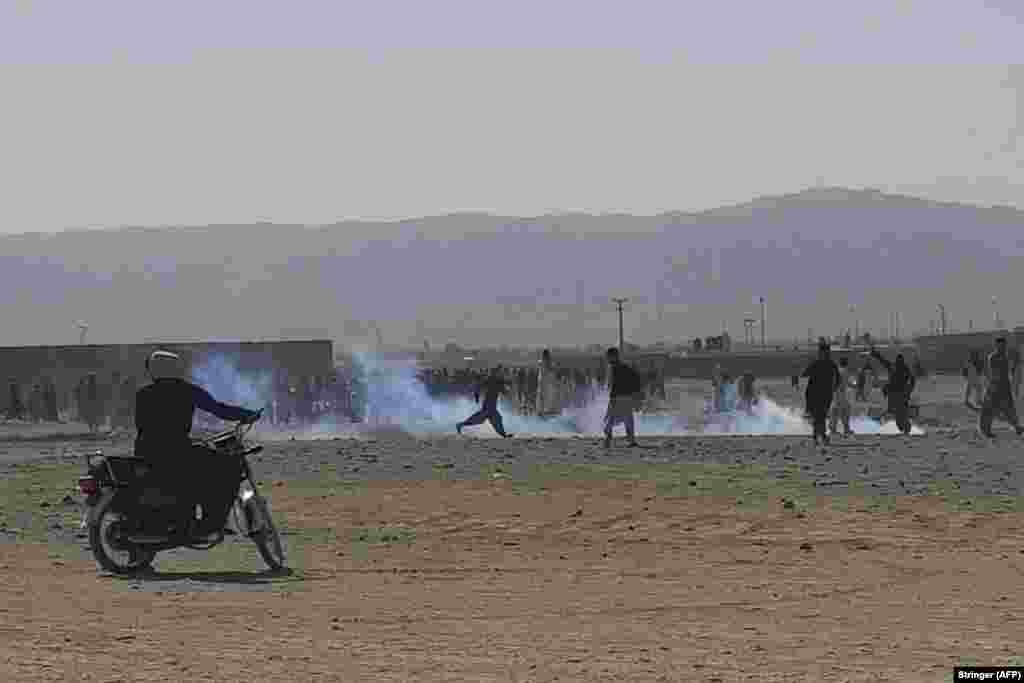
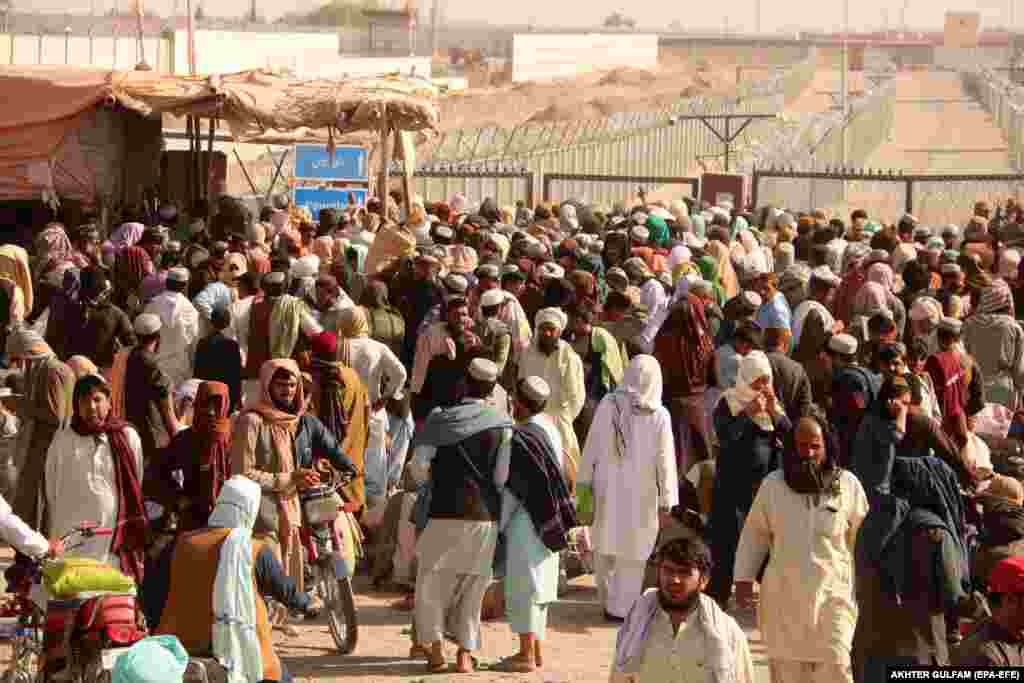
13/18Pakistani security forces use tear gas to disperse displaced Afghans who were gathering at the Pakistani border on August 12. Many Afghans want to get to the Pakistani city of the Chaman border crossing, but it was closed after the Taliban took control of the Kandahar side.
Tens of thousands of people have been flooding into the Afghan capital, Kabul, and gathering at the Pakistan border to escape the escalating fighting between Taliban militants and government forces. As more provincial capitals fell to the Taliban, Afghanistan's Refugees and Repatriations Ministry said that more than 35,000 families had arrived in the capital over the last week and that officials are struggling to provide them food and shelter.
Show moreShow less
14/18People stranded at the Afghan-Pakistan border on August 11 after the Chaman crossing was closed. The Taliban's shadow governor for Kandahar Province issued a statement a week before, announcing the closure of the border.
Tens of thousands of people have been flooding into the Afghan capital, Kabul, and gathering at the Pakistan border to escape the escalating fighting between Taliban militants and government forces. As more provincial capitals fell to the Taliban, Afghanistan's Refugees and Repatriations Ministry said that more than 35,000 families had arrived in the capital over the last week and that officials are struggling to provide them food and shelter.
Show moreShow less
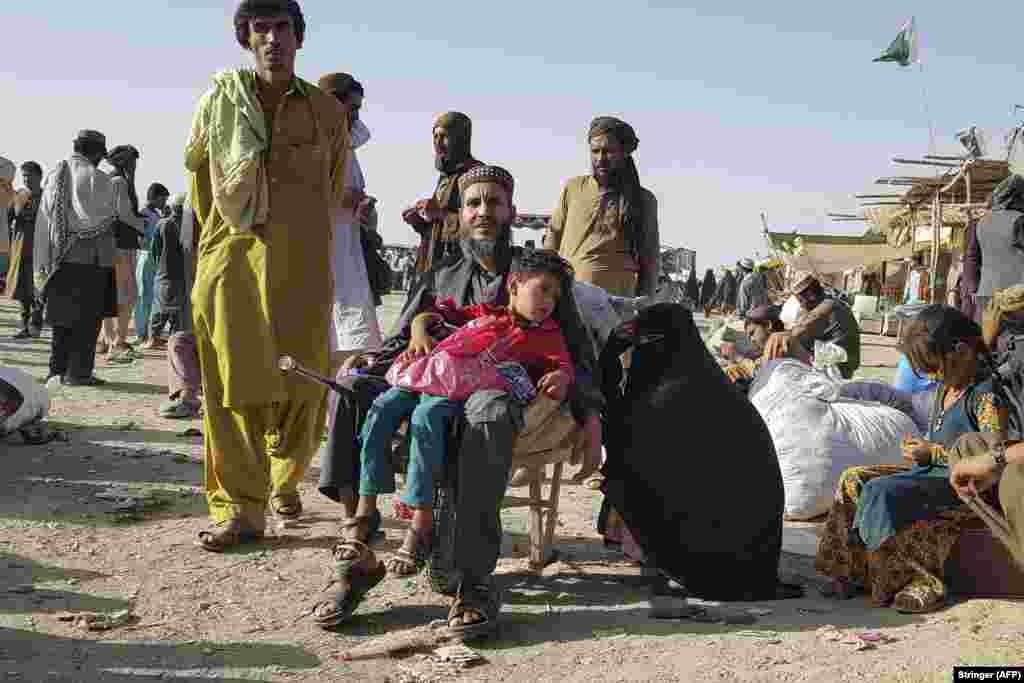
15/18Afghan families stranded at the Afghan-Pakistan border on August 12. The Taliban has taken control of most of Kandahar Province and there has been heavy fighting in the provincial capital as government forces try to hold onto Kandahar city.
Tens of thousands of people have been flooding into the Afghan capital, Kabul, and gathering at the Pakistan border to escape the escalating fighting between Taliban militants and government forces. As more provincial capitals fell to the Taliban, Afghanistan's Refugees and Repatriations Ministry said that more than 35,000 families had arrived in the capital over the last week and that officials are struggling to provide them food and shelter.
Show moreShow less
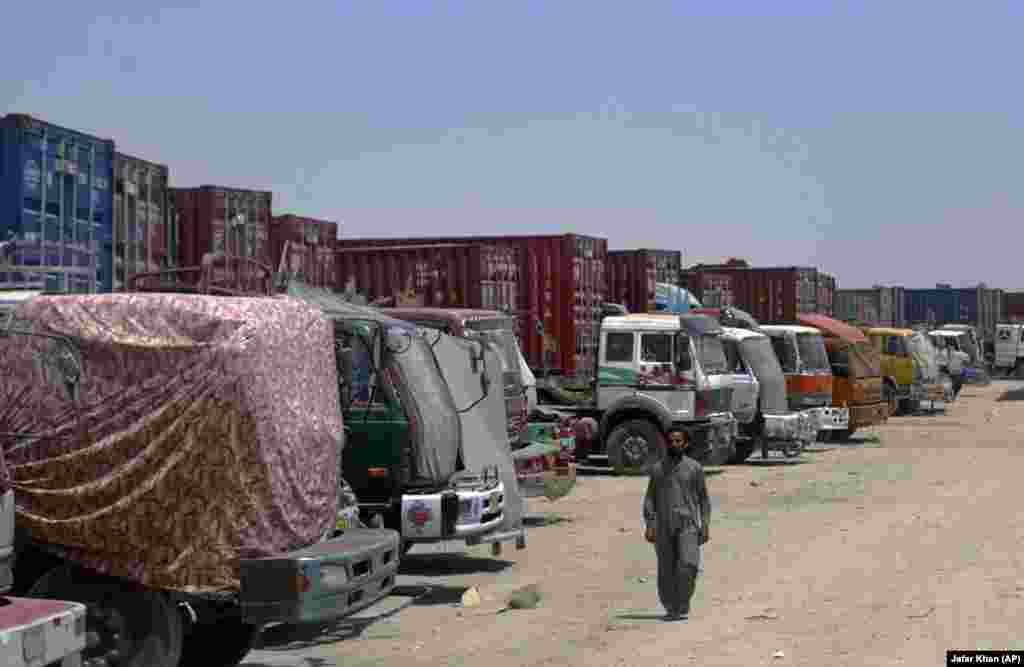
16/18A driver walks past Afghan-bound trucks stuck at the Chaman border crossing.
Tens of thousands of people have been flooding into the Afghan capital, Kabul, and gathering at the Pakistan border to escape the escalating fighting between Taliban militants and government forces. As more provincial capitals fell to the Taliban, Afghanistan's Refugees and Repatriations Ministry said that more than 35,000 families had arrived in the capital over the last week and that officials are struggling to provide them food and shelter.
Show moreShow less
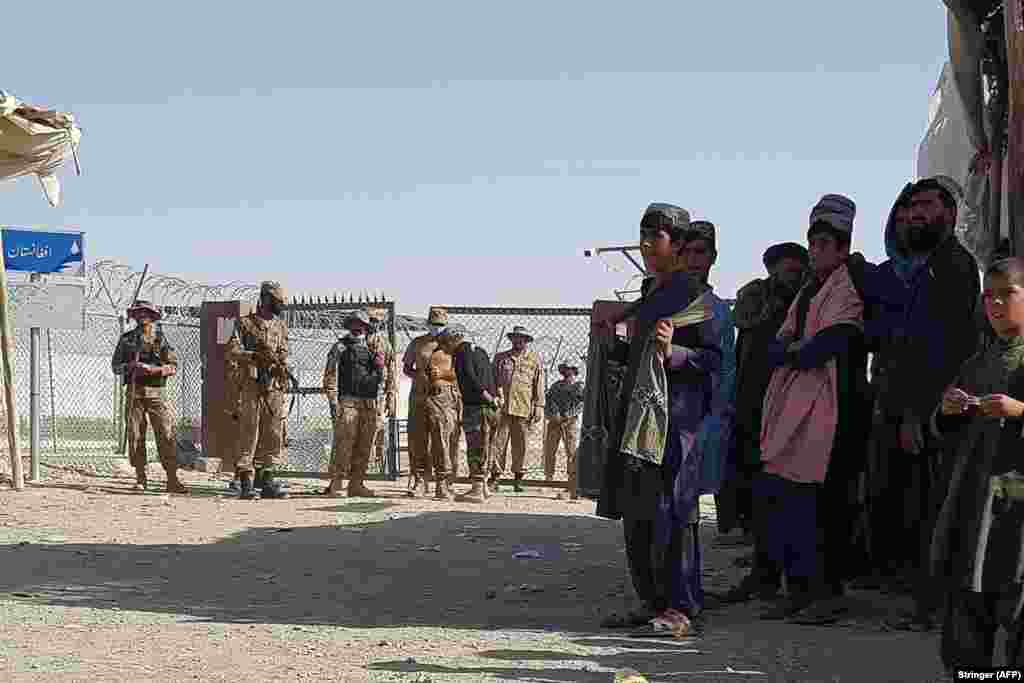
17/18Pakistani soldiers stand guard as stranded Afghans wait for the reopening of the border crossing on August 12.
Tens of thousands of people have been flooding into the Afghan capital, Kabul, and gathering at the Pakistan border to escape the escalating fighting between Taliban militants and government forces. As more provincial capitals fell to the Taliban, Afghanistan's Refugees and Repatriations Ministry said that more than 35,000 families had arrived in the capital over the last week and that officials are struggling to provide them food and shelter.
Show moreShow less
18/18Taliban fighters took control of Ghazni, the capital of Ghazni Province, on August 12. It becomes the 10th Afghan provincial capital to fall to the militants over the past week. Ghazni is located 150 kilometers southwest of Kabul and has major strategic importance. It lies along the Kabul-Kandahar highway that connects the capital with militant strongholds in the south.
Tens of thousands of people have been flooding into the Afghan capital, Kabul, and gathering at the Pakistan border to escape the escalating fighting between Taliban militants and government forces. As more provincial capitals fell to the Taliban, Afghanistan's Refugees and Repatriations Ministry said that more than 35,000 families had arrived in the capital over the last week and that officials are struggling to provide them food and shelter.
Show moreShow less
Previous slide
Next slide
"Preparations for repatriation will only be continued in the case of persons who have committed a criminal offence,” the State Secretariat for Migration tweeted.
Earlier this week, Germany and the Netherlands announced that they would also no longer deport rejected asylum seekers to Afghanistan, reversing their previous position on the controversial issue.
Officials in the two countries had joined several other EU members as early as last week in saying they should be allowed to continue expulsions of Afghan migrants if their asylum bids fail.
The European Union on August 10 said that it was considering more support for countries neighboring Afghanistan in anticipation of potentially hundreds of thousands of refugees fleeing to neighboring countries.
There are growing concerns in Europe of a repeat of the migrant crisis in 2015 when well over 1 million migrants, including many from war-torn Syria, arrived in the EU and sparked ongoing political divisions in the bloc.
In a letter dated August 5 and disclosed only this week, the interior ministers of Austria, Belgium, Denmark, Germany, Greece, and the Netherlands urged the EU’s executive arm to “intensify talks” with the Afghan government after Kabul said it was suspending "nonvoluntary returns" of Afghans fleeing the violence for three months.
“We would like to highlight the urgent need to perform returns, both voluntary and nonvoluntary, to Afghanistan,” the ministers wrote to the European Commission, which confirmed receipt of the letter.
“Stopping returns sends the wrong signal and is likely to motivate even more Afghan citizens to leave their home for the EU.”
The Taliban has captured 10 of Afghanistan’s 34 provincial capitals in the past week and now controls about two-thirds of the country.
A U.S. defense official cited intelligence as saying this week that Taliban fighters could isolate Afghanistan's capital in 30 days and possibly take it over within 90.
The Taliban’s lightning offensive began in May when U.S.-led international forces began the final stage of a troop withdrawal due to end later this month following a 20-year presence.
RFE/RL journalists report the news in 24 languages in 18 countries where a free press is banned by the government or not fully established. We provide what many people cannot get locally: uncensored news, responsible discussion, and open debate.